Quick overview of topics covered in this article
Cloud computing has transformed the way organizations operate, manage data, and deliver services. Instead of relying on traditional physical servers and on-premise hardware, businesses today use cloud platforms to access computing resources via the internet. This shift allows companies to scale more efficiently, improve security, optimize costs, and support remote or hybrid work environments.

Cloud computing refers to the delivery of computing services—such as servers, storage, databases, networking, software, and security—over the internet. These services are provided on demand, allowing businesses to pay only for what they use rather than investing in expensive hardware.
The business environment is fast-paced, data-driven, and increasingly digital. Cloud computing provides the flexibility needed to handle large volumes of data, support global operations, and maintain high levels of availability.
Key reasons for its importance include:
The shift to cloud computing started as businesses looked for reliable and cost-effective ways to host applications and store data. Over time, cloud platforms evolved to include automation, analytics, artificial intelligence, and advanced security capabilities. Today, cloud is not just an option—it is central to digital transformation strategies across industries.
Cloud computing is suitable for businesses of all sizes—from startups to large enterprises—particularly those that:
Cloud services bring significant advantages to organizations across industries. As corporate operations become more digital, businesses require infrastructure that is flexible, secure, and able to support continuous growth. This is where cloud computing plays a vital role.
Below are the core benefits that make cloud adoption a strategic decision for modern enterprises.
Traditional IT setups require large upfront investments in servers, storage devices, networking hardware, and physical space. Cloud services remove these capital expenses and replace them with predictable, pay-as-you-go operational costs.
This allows businesses to allocate budgets more effectively and invest in growth-driven areas.
Security is a primary concern for every organization. Cloud platforms implement advanced security controls that many businesses cannot achieve on their own due to cost and technical limitations.
These controls help reduce risks related to data breaches, unauthorized access, and ransomware attacks.
Cloud resources can be scaled up or down instantly. This flexibility is especially useful for businesses with variable workloads, seasonal demands, or growing user bases.
With cloud services, businesses avoid over-provisioning and can adapt quickly to changing requirements.
Unplanned outages, hardware failures, cyberattacks, or natural disasters can disrupt operations. Cloud platforms offer built-in redundancy and automated backup to ensure continuity.
This ensures critical business systems remain available even during unexpected disruptions.
Cloud-based tools allow teams to access data and applications from any location. This supports remote work environments and improves internal collaboration.
This flexibility enhances productivity and supports distributed teams across multiple locations.
Cloud applications and services can be deployed quickly without waiting for hardware procurement or manual configuration. Additionally, updates and patches are applied automatically by the cloud provider.
Modern cloud platforms include capabilities such as:
These technologies enable smarter decision-making and innovation without additional infrastructure investment.
Cloud data centers are optimized for energy efficiency and resource utilization. By using cloud services, companies reduce their carbon footprint compared to maintaining large on-premise infrastructure.
Cloud services are generally divided into several categories based on the type of computing resources they provide. Understanding these service models helps organizations choose the right structure for their operational and technical needs.
Below are the primary types of cloud service models used in modern business environments.
Definition:
IaaS provides virtualized computing resources over the internet, such as servers, storage, and networking. Instead of buying physical hardware, businesses rent infrastructure on a flexible subscription or pay-as-you-use basis.
Definition:
PaaS provides a platform for developers to build, test, deploy, and manage applications without handling underlying infrastructure. The cloud provider manages the operating system, storage, and scaling.
Definition:
SaaS delivers software applications over the internet on a subscription basis. Users access the software through a browser without installation or maintenance.
(Also known as Serverless Computing)
Definition:
FaaS allows developers to run individual pieces of code (functions) without managing servers. The cloud provider handles scaling and execution automatically.
Depending on the business environment, additional specialized cloud services are also used:
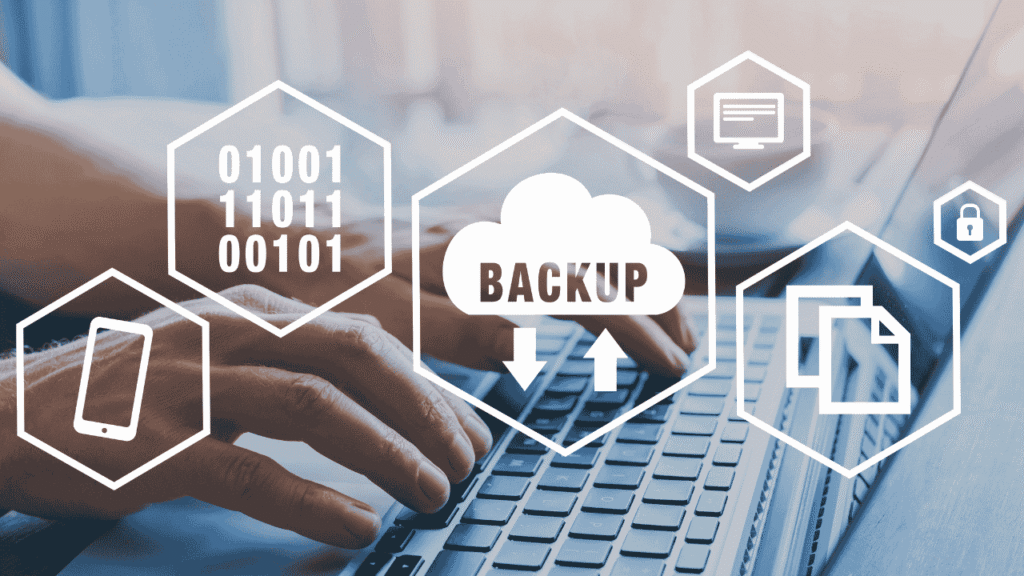
Cloud-based backup solutions that automate data protection and recovery.
Cloud-based disaster recovery, enabling quick restoration of business operations.
Cloud-delivered security tools such as antivirus, threat monitoring, and identity management.
Service Model | Provider Manages | Customer Manages | Best For |
IaaS | Hardware, networking | OS, apps, data | Scalable infrastructure |
PaaS | Hardware, OS, backend | Applications | Development & deployment |
SaaS | Everything | User data & usage | Ready-to-use software |
FaaS | Servers, scaling | Functions/code | Event-driven apps |
When you’re ready, I can continue with:
Popular Post
Category
Page
Page
Get Service Information